Find A Dealer

Find a Steamed Hay Supplier or Producer
Looking to purchase the best hay for your customers or animals? Are you selling or producing high-quality steamed hay and looking to boost sales and raise awareness about steamed hay? You are in the right spot!

Feed Your Animals
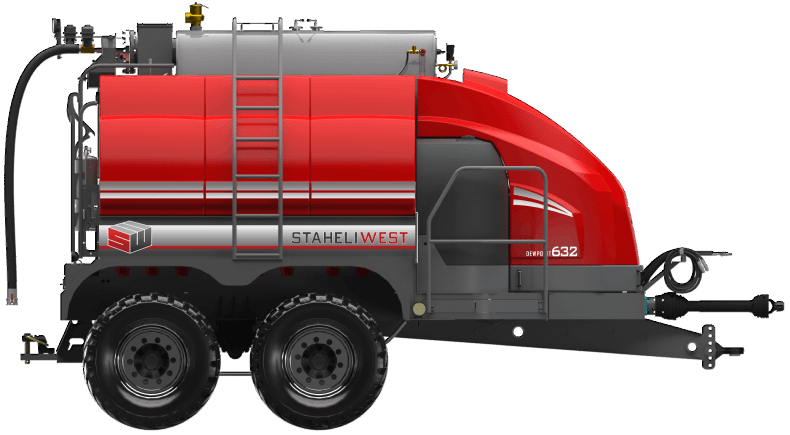
Our DewPoint machines not only positively impact the lives and operations of farmers, but they also produce a superior end product that benefits those handling and feeding the hay to animals. Steamed hay offers improved feed quality, reduced waste, and greater nutritional value. After learning about steamed hay, you may find that you want to buy this superior product for your customer, or for your own animals.
Buy or Sell Steamed Hay
of feeding
Feeding Steamed Hay
Improved Feed Quality
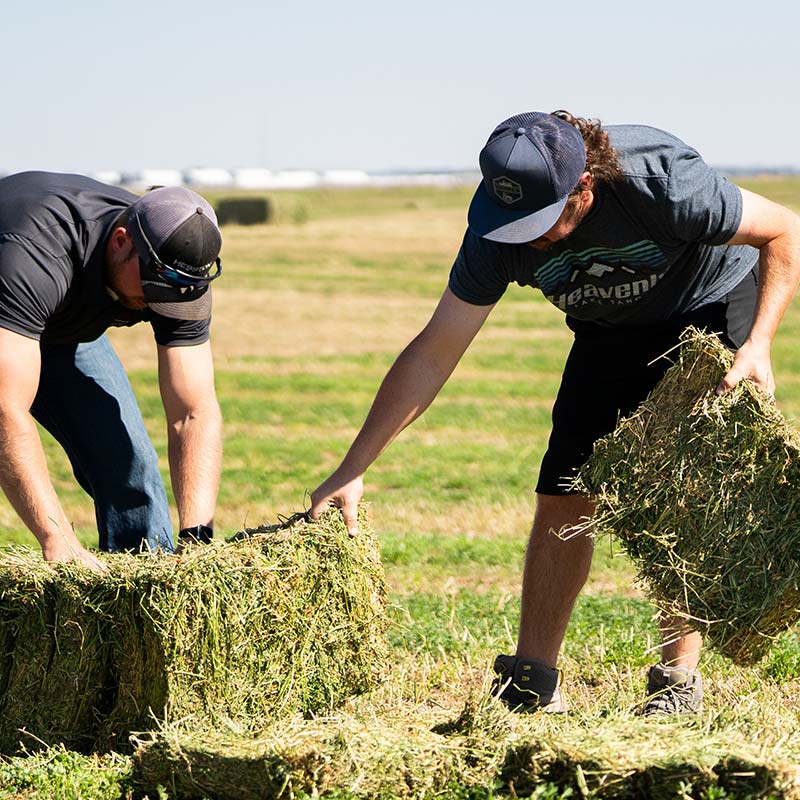
Steamed hay offers a unique feel compared to hay that was baled with dew. The flake structure in steamed hay surpasses that of dew-baled hay or hay that was baled too dry. When it comes to feeding horses or livestock, you'll observe that these flakes maintain exceptional cohesiveness during handling and feeding.

Dust Reduction
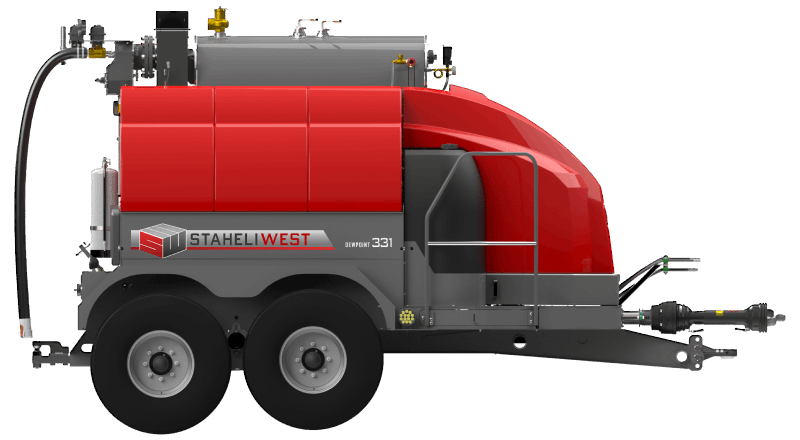
Dusty hay can cause harm to the respiratory systems of horses. In fact, some horse farms use small steamer boxes to steam each bale as they feed it to their horses to minimize hay dust. Using the DewPoint 331 to bale hay in the field dramatically reduces hay dust in the bale. This aspect of steamed hay goes a long way with equine customers.

Greater Nutritional Value
The nutritional value of alfalfa hay lies in the leaves. Significant leaf loss occurs when hay isn’t baled with proper moisture conditions. University studies done with large square balers show that baling with steam reduces leaf loss by over 58% compared to baling with natural dew. Researchers at the University of Wisconsin state, “Steam rehydrated bales indicated that leaf retention on the stems was superior to that of bales formed with [natural] dew rehydration.

Reduced Waste
One significant issue with feeding hay is that animals often leave behind the stems, leading to waste. Steamed hay holds together much better than conventionally baled dry hay. Eric Van Reet, Stallion Manager at the 6666 Ranch, notes, “From a feeding and waste standpoint, I would go with the steamed hay… The studs have been on non-steamed hay for about 2-½ weeks now, and it’s amazing the difference in waste. With steamed hay, you can feed about ⅓ less and not see any negative effects... With non-steamed hay, you’ll lose close to 10% of a bale just from handling it to the barn floor. Then as they’re eating it, you’ll lose at least ¼ of it."

Buy or Sell Steamed Hay
Buy Steamed Hay
Looking to purchase the best hay for your customers or animals? Fill out this form, and a qualified steamed hay supplier or producer will get in touch with you.
Buy Steamed Hay
Sell Steamed Hay
Are you selling or producing high-quality steamed hay and looking to boost sales and raise awareness about steamed hay? Sign up to become an official Staheli West steamed hay supplier. You'll receive notifications when someone requests steamed hay and can connect with those specifically looking for steamed hay.
Sell Steamed Hay