Find A Dealer


Mastering DewPoint Hookup: Avoid PTO Damage by Knowing Your Limits
DewPoint Hookup and Becoming Familiar with Your Limits
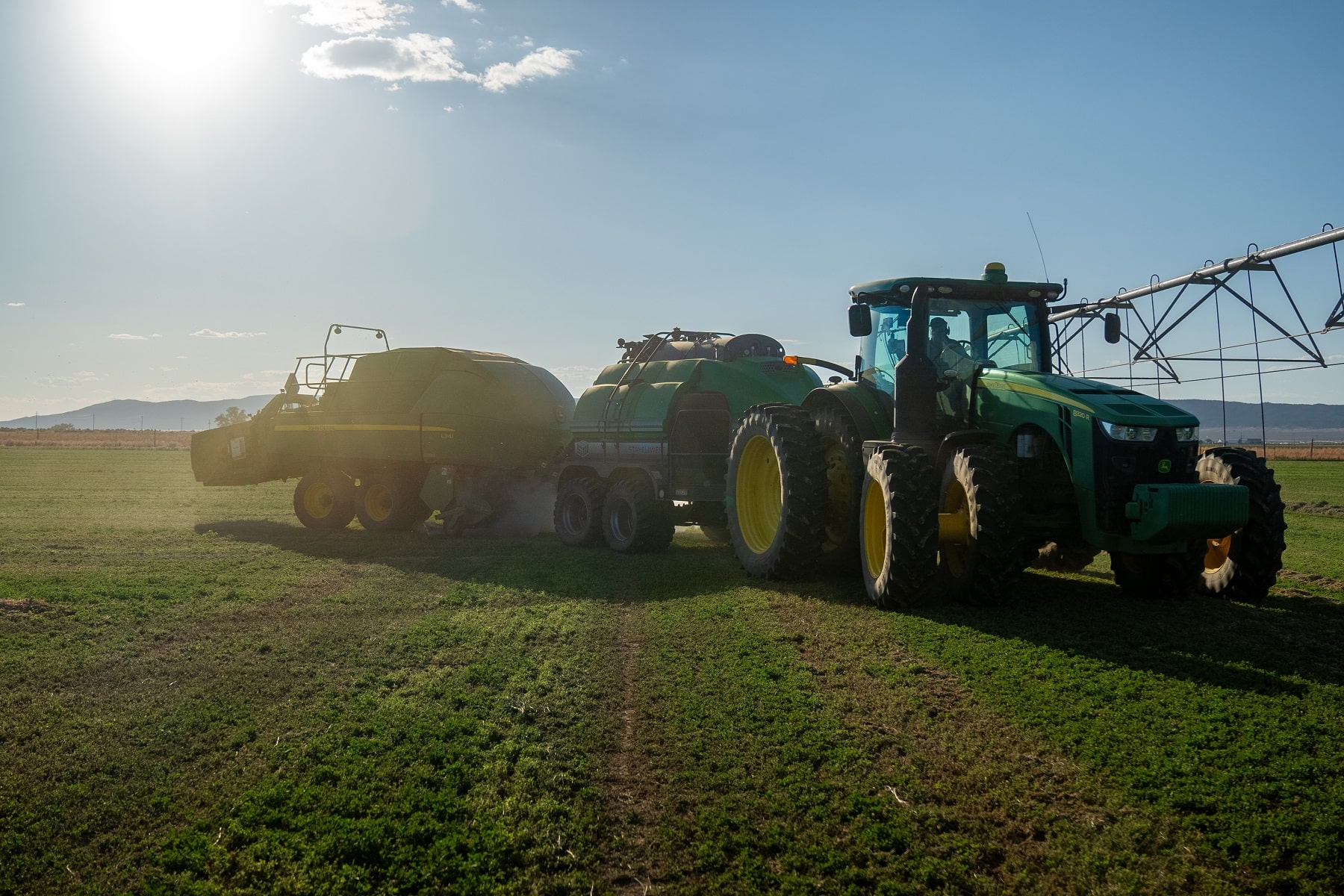
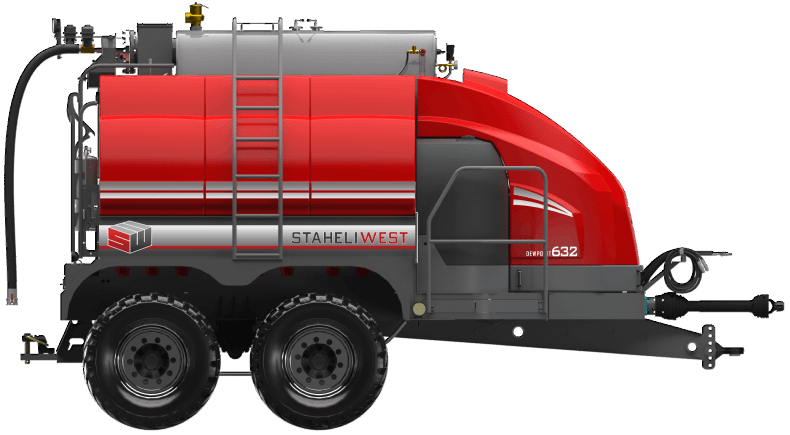
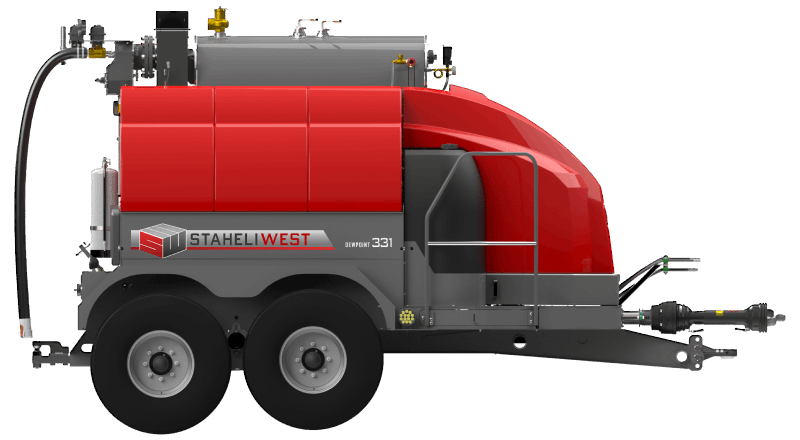
We’ve observed several instances of damage to the PTO (Power Take-Off) shafts and bearings of the DewPoint machine and baler. The most common damage includes failure of the rear PTO bearing and bending of the rear end of the PTO shaft on the DewPoint machine. In more severe cases, all the PTO shaft bearings on the DewPoint machine can fail, along with irreparable damage to the shaft. This type of damage is almost always caused by operator error in one of the following ways:
- Sharp Turns and Contact: The telescoping baler PTO shaft bottoms out or contacts the Steamer mainframe during a sharp turn, or a sharp turn combined with a significant dip in terrain.
- Overextension of the PTO Shaft: In less common cases, the telescoping baler PTO shaft separates when crossing a large border or hump, causing it to extend beyond its designed specifications.
Avoid These Costly Damages
These types of damage are expensive to repair and are not covered under warranty. To prevent these issues, follow the guidelines in the “DewPoint Hookup” section of your operator manual. Below is an important excerpt with key points highlighted to help avoid costly mistakes.
Key Steps to Prevent Damage
- Check for Interference: Always check for interference between the tractor, the DewPoint machine, and the attached baler. Follow both the DewPoint and baler guidelines when attaching them together. Ensure that the baler PTO is connected to the DewPoint machine according to the specific instructions in your baler operator manual, which includes paying attention to angles, distances, and the length of the PTO.
- Test in Different Conditions: Drive the tractor through various turning maneuvers on flat ground, and over the borders or uneven terrain you are likely to encounter. This allows you to check for interferences and turn angle limits between the tractor, DewPoint machine, and baler. Be sure to check for:
-
- Contact between the rear tractor tires and the DewPoint machine frame.
- PTO bottoming out or separation, particularly between the DewPoint machine and the baler.
- 3-point hitch clearance.
- Clearance of hydraulic hoses.
- Clearance of all wire harnesses.

- Learn Your Turning Radius and Clearance Limits: It’s crucial to become familiar with your equipment’s turning radius and clearance limits under all operating conditions. Take note of the following points:
-
- During a turn, the angle between the baler and the DewPoint machine will be sharper than the angle between the tractor and the DewPoint machine.
- When exiting a sharp turn quickly, the angle between the DewPoint machine and the baler can increase dramatically. To avoid damage, it’s best to come out of sharp turns gently.
- Turning too sharply will cause major damage to the DewPoint machine and the baler, especially to the PTO components between these two machines.
- Crossing borders, ditches, or other uneven surfaces during a sharp turn increases the likelihood of damage.
Important PTO Shaft Maintenance
Regardless of the type of baler you’re using or the terrain you’re operating in, take the time to measure the telescoping capability of the baler PTO shaft during a turn. You can do this by unlocking the shaft from the rear of the DewPoint machine and sliding it toward the baler. In your tightest turns, you should still maintain a few inches of telescoping capacity before the shaft bottoms out.
Conclusion
To prevent damage, it’s essential to practice and learn how your machine behaves during various turning maneuvers. Test your equipment thoroughly and learn your limits before operating in the field. By doing so, you can avoid costly repairs and ensure the longevity of your DewPoint machine and baler.
For more detailed guidance, refer to the “DewPoint Hookup” section in your operator manual, and please view this PTO Specs Document.
Also, please download the Staheli West App for all the latest and greatest support and operator manuals.